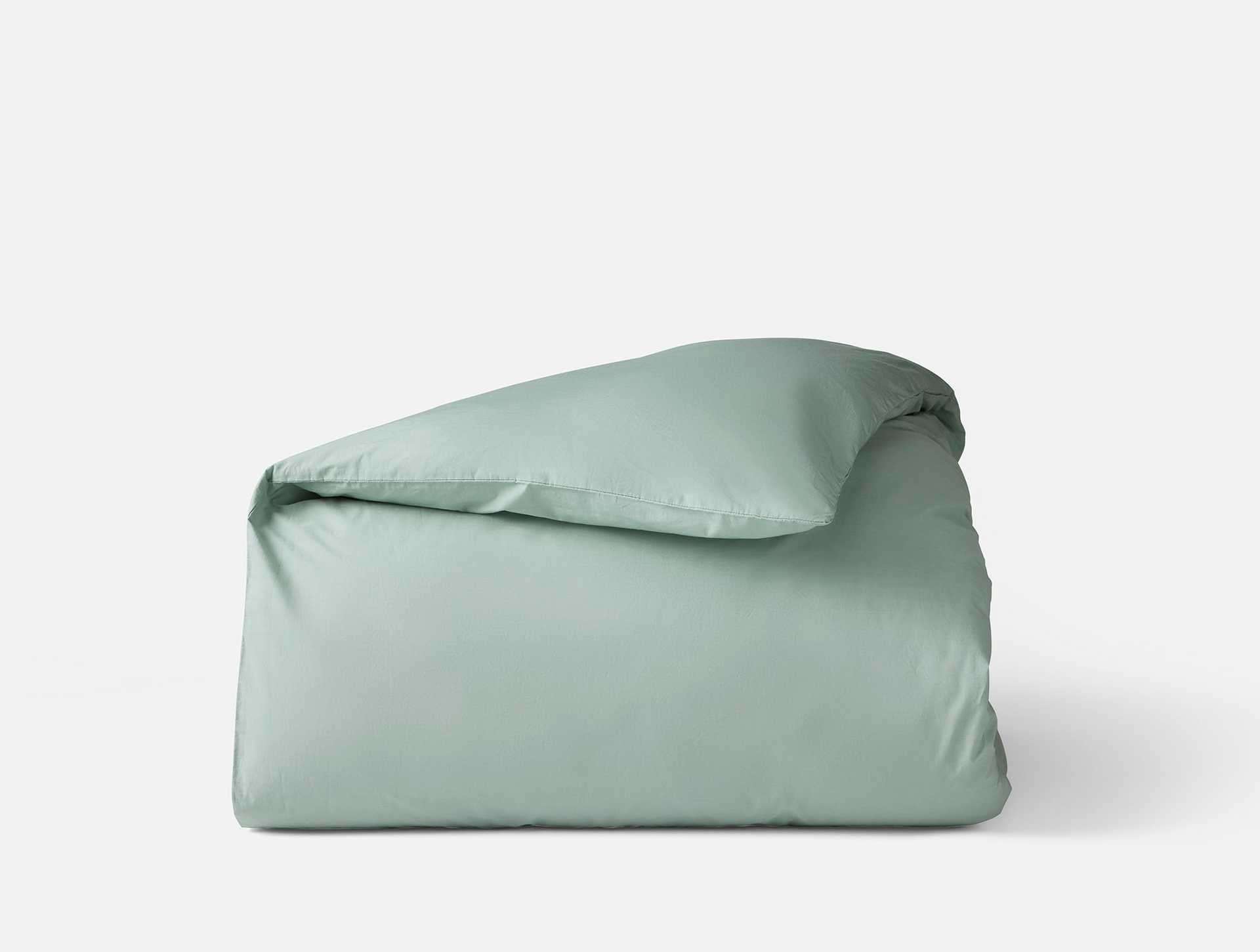
Bovi Simply Sateen Bed Skirt

A Practical Guide to Non-Toxic Sleep Surfaces: Materials, Brands, and How to Choose

In a world saturated with textiles that whisper of comfort while quietly shouting chemical concerns, the bedroom becomes a laboratory of restraint. The Clean Bedroom, with its minimalist, calibrated approach to sleep space, invites readers to curate surfaces that are as calm as a morning haze and as honest as a well-tuned conscience. This guide expands on that invitation, exploring the materials that constitute non-toxic sleep surfaces, the brands that walk the talk, and a pragmatic playbook for assembling a healthier, calmer bedroom environment.

Why non-toxic sleep surfaces matter

Environment, air quality, and skin contact are not abstract ideas when you sleep. The body exchanges countless signals with its surroundings while you dream: volatile organic compounds (VOCs), dyes, and flame retardants—though often invisible—can influence odors, skin sensitivity, and sleep quality. Non-toxic sleep surfaces aim to minimize these exposures without sacrificing comfort. They prioritize natural fibers, certified processing, and transparent supply chains. Think of the bedding as a reflexive extension of the room’s design ethos: uncluttered, breathable, and free from unnecessary chemicals.

Three time-tested voices illuminate this conversation: the thinkers of yesterday who argued for a return to simple materials, the practitioners of mid-century design who demonstrated how good materials age gracefully, and contemporary brands that foreground certifications and ethical sourcing. Their ideas converge on a practical question: how to select materials that feel good, behave well over time, and remain kind to our planet and our lungs.

1) Material deep-dive: what makes cotton percale, sateen, and wool fillings non-toxic

Cotton in its simplest form is a plant-based fiber, but the pathway from field to fabric is a lattice of processing steps. Percale and sateen refer to weave, not raw fiber. Percale is a tight, one-over-one-under weave that yields a crisp hand and cooler feel; sateen uses a satin-like weave that is smoother and slightly warmer. The non-toxicity of the fabric is less about the weave and more about the dyeing, finishing, and certification processes. When we speak of “non-toxic,” we look for certifications such as GOTS (Global Organic Textile Standard) that govern organic farming, chemical usage, processing, and social criteria. OEKO-TEX STANDARD 100 offers another layer—testing for harmful substances at various levels of consumer exposure.

Wool, as a fill, brings a different logic. It is inherently breathable, moisture-wicking, and often naturally resistant to dust mites. When wool is described as organic or GOTS-certified, it signals a commitment to responsible farming and processing. Wool’s loft and resilience can reduce the need for chemical flame retardants in other layers, and its natural resilience makes it difficult to over-treat with chemical cleaners over time.

Certification matters because it is the most transparent way to verify claims. GOTS certification, for example, implies that the textile is made from at least 70% organic fiber and that every processing step meets environmental and social criteria. OEKO-TEX adds a chemical-safety filter, testing for harmful substances. For shoppers who care about low-toxicity, these certifications are not mere labels but a governance framework that translates intention into practice.

2) Brand comparison: Sleep and Beyond, Naturepedic, Healthy Choice, and Suite Sleep

Brand narratives matter because they shape expectations about performance, care, and transparency. Sleep and Beyond emphasizes sustainable natural fibers and long-lasting performance, often highlighting deep-pocket, non-toxic sheets and wool-based protectors. Naturepedic foregrounds organic cotton and sustainable materials, offering duvet covers, sheets, and protectors that are designed with chemical-free processing in mind. Healthy Choice leans into wool and organic blends, focusing on hypoallergenic properties and anti-microbial characteristics. Suite Sleep extends the conversation to “sleep systems,” pairing organic cotton textiles with wool or latex-influenced layers, all while communicating a commitment to low environmental impact.

In practical terms, compare three core product clusters: sheets, pillow fills, and duvet covers. For sheets, look at thread counts and weave, but prioritize certifications (GOTS, MADE SAFE, OEKO-TEX). For pillows, consider fills (organic wool, down, or hypoallergenic blends), loft, and shell fabric that meet safety criteria. For duvet covers, attention to zippers, buttons, and interior ties matter for durability and containment of the fill, while ensuring the cover itself is free of problematic dyes or fire retardants.

Choosing brands with explicit transparency—material sources, supply chain ethics, lab testing results—helps create a sleep environment that is not only comfortable but trustworthy. The goal is not pure minimalism for its own sake, but a disciplined minimalism that reduces exposure while preserving comfort, texture, and warmth.

3) Practical selection playbook: evaluating mattress protectors, pillow fills, and duvet covers

Step one is a materials map. Create a simple grid with columns for fiber origin, weave/finish, certifications, and care. For a mattress protector, ensure a breathable, chemical-free barrier. Look for TPU or polyurethane films that are non-toxic and free from chlorine or phthalates, and ensure the protector breathes to avoid heat buildup. For pillow fills, favor organic wool, down from certified sources, or synthetic fills labeled as non-toxic and hypoallergenic. For duvet covers, prioritize natural fibers with secure closures—coconut button or metal-free toggles—and verified GOTS or OEKO-TEX certifications.

Sample checklist to bring retailer conversations into the daylight:

  • Is the fiber certified organic or responsibly sourced?
  • What chemicals were used in processing and dyeing, and are there test reports I can review?
  • Are there third-party certifications (GOTS, OEKO-TEX, MADE SAFE), and can I see the certificates?
  • What is the recommended care protocol, and how does it affect longevity and safety?
  • Is the product free from flame retardants and harmful adhesives?

4) Three key individuals from different time periods

Across centuries, certain voices anchor our understanding of materials, craft, and well-being. Here are three that illuminate our present choices:

  • Silvia Riera (late 19th to early 20th century, textile reformer) — A pioneer in standardizing natural fiber use and advocating for less synthetic processing, Riera argued that the comfort of daily life could be elevated by honest materials. Her legacy resonates in the current push for organic cotton and responsibly sourced wool.
  • Le Corbusier (1887–1965, architect and design theorist) — Though primarily known for architecture, Le Corbusier’s insistence on clarity of purpose and restraint in materials influenced modern interiors. His philosophy of “less is more” translates into a mattress pad of sorts: fewer, better-layered components that serve the sleeper without visual or chemical clutter.
  • Dr. Ava Chen (born 1960s, sleep medicine researcher) — A contemporary voice who has championed sleep environment research, Chen highlights the interactions between light, air quality, and sleep disruptions. Her work grounds the non-toxic bedding conversation in the science of sleep quality, offering a bridge between design and physiology.

These figures remind us that textile decisions ripple outward—from the individual night’s rest to broader cultural patterns about health, aesthetics, and sustainability. They also illustrate how non-toxic sleep surfaces sit at the intersection of craft, science, and everyday life.

The bed skirt is more than a decorative veil; it is a practical shroud for the sleeping apparatus, a quiet guardian against dust and visual clutter. The Bovi Simply Sateen Bed Skirt embodies the understated luxury of a well-tailored room. Crafted from 100% cotton sateen, its soft sheen and smooth hand are a reminder that even the most functional bedroom accessories can be elegant. With an 18-inch drop, it hides the box springs and storage beneath, offering a cleaner silhouette and eliminating the visual noise that can disrupt a calm sleep environment. Its design is the embodiment of the minimalist principle: a single, purposeful layer that enhances both aesthetics and hygiene.

Price and availability: 276.00 USD. The product page emphasizes the luminous quality of the sateen weave and its durable, fully lined construction. Its subtle elegance harmonizes with White or Ivory palettes, aligning with the minimalist vibe of The Clean Bedroom.

Close-up note: The bed skirt’s tactile surface and drape reinforce the sense of a room that is at once serene and meticulously maintained. It is a small but telling piece of a broader design philosophy—one that values calm surfaces as a basis for a calm life.

Product image (illustrative):

Bovi Simply Sateen Bed Skirt — White
Rating: 4.8/5

Aesthetic note: a calm room through texture and light

Texture is the brisk, breathing surface of a minimalist bedroom. A sateen bed skirt catches light with a soft glow, a linen or cotton duvet cover remains tactile without shouting, and wool pillows absorb humidity without puffiness. The textures you choose should invite touch and maintain a sense of order even after a long day. In such a room, color acts as a quiet narrative rather than a loud statement. Shades of off-white, sand, dove gray, and stone form a palette that holds its own against the changing light of morning and dusk.

In practice, pair the Bovi Simply Sateen Bed Skirt with a duvet cover set from the refined organic percale family (like Refined Organic Percale Duvet Cover) and a wool pillow in a complementary tone. The result is a room where every piece speaks softly but clearly: a space designed for rest, not display.

Design tip

  • Use a single, textural accent in a neutral color family to anchor the room.
  • Choose window treatments and rugs with natural fibers to preserve air quality and warmth balance.
  • Maintain a clutter-free zone near the bed to reinforce cognitive calm at night.

Final thoughts: building a non-toxic sleep sanctuary

To design a non-toxic sleep surface is to design a life in which you recover more faithfully each night. The fabrics, certifications, and brands discussed here are not merely shopping considerations; they are commitments to the health of the sleeper and the planet. The discipline of selecting safe materials—organic cotton percale and sateen that honor the earth, wool that breathes with you through the seasons, and duvet covers that endure with quiet grace—speaks to a philosophy of living well with less, but with more intention. The modern bedroom, when curated with these principles, becomes not a stage for display but a refuge for repair.

As you assemble your sleep environment, consider a simple, repeatable framework: map your textiles by fiber origin, processing, and certification; favor products with transparent safety data; and build a room that breathes, resets, and renews your mornings. The practice is not about asceticism but about choosing surfaces that perform as quietly and reliably as the best part of waking up should.

Related Products

Bovi Simply Sateen Bed Skirt

Bovi

Bovi Simply Sateen Bed Skirt

Elevate your bed with a smooth, luminous cotton sateen skirt that hides clutter, drapes beautifully, and stays crisp to the floor. Enjoy a serene, cleaner look and a soft, inviting feel every night. White or Ivory, tailored to perfection.
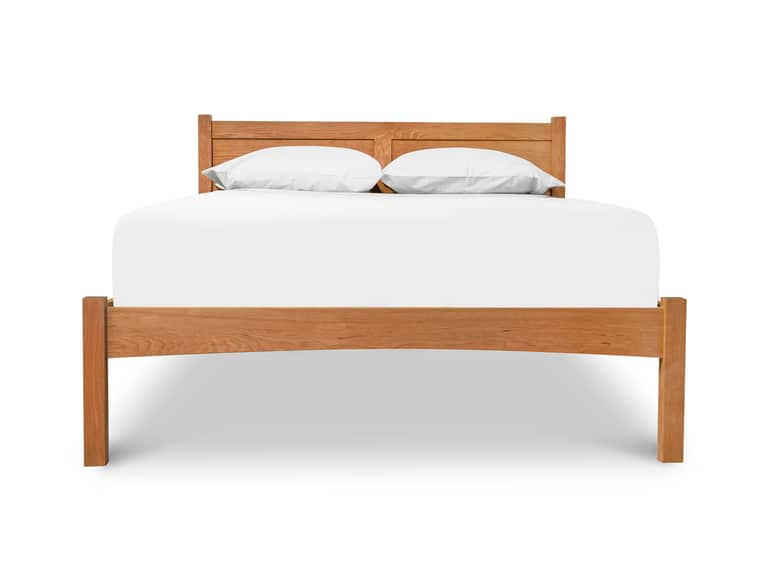
Essex Low Footboard Bed

Vermont Furniture Designs

Essex Low Footboard Bed

Experience timeless comfort with a solid hardwood panel bed featuring an eco-friendly, no VOC linseed oil and wax finish—durable, low-emission, and easy to maintain for a serene, responsible sleep haven.
Refined Organic Percale Duvet Cover

Coyuchi

Refined Organic Percale Duvet Cover

Sleep cooler and cleaner with a breathable, GOTS-certified cotton duvet cover. Hidden coconut buttons and interior ties keep your duvet secure, while durable percale weave stands up to everyday use. Easy care, ethical sourcing, timeless comfort.

Theme